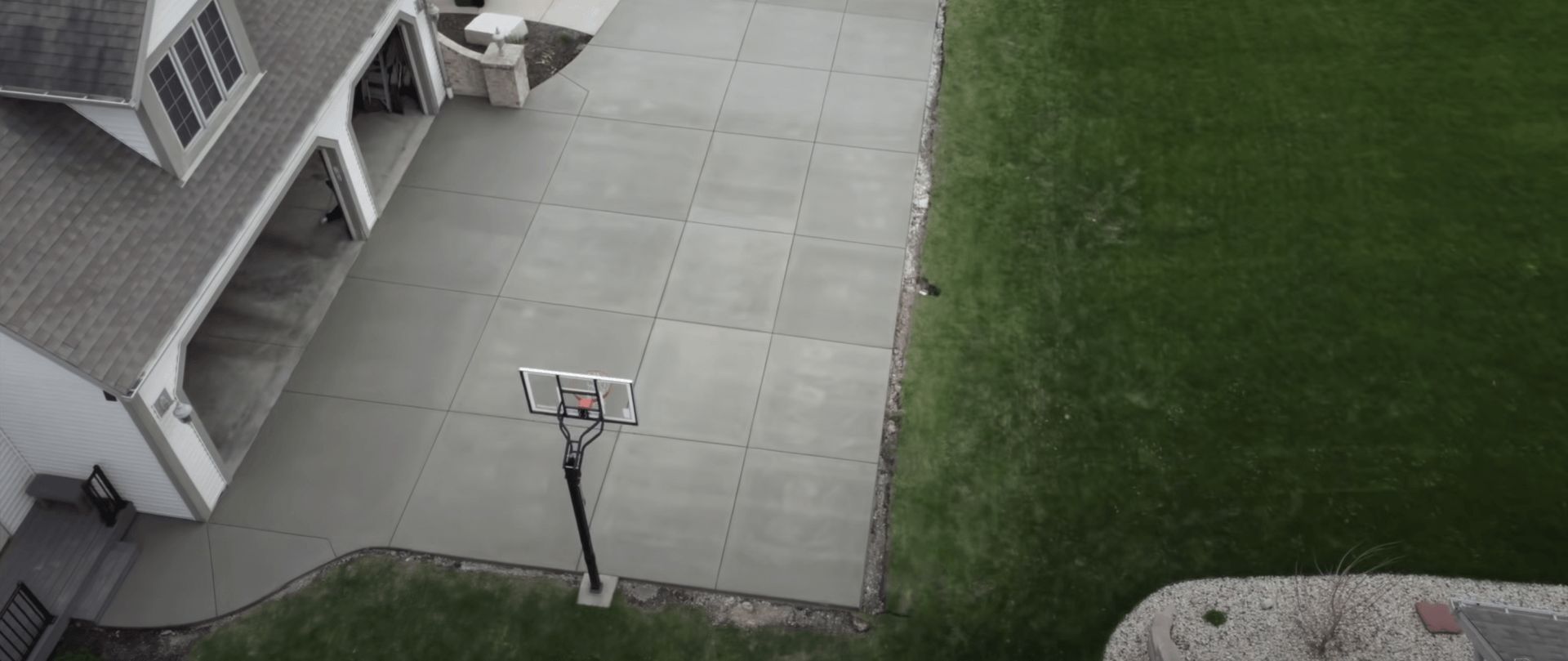
concrete driveway company near me

driveway and walkway contractors


To prevent slippage in wet conditions, brush the concrete with a broom. Let concrete set for a few hours so that you don't get clumps from brushing. The temperature and humidity will determine how long you need to wait. If you notice clumping, smoothen the area with the magnesium float again and allow it to set for a bit longer.
Lightly drag the entire area until the concrete has stopped clumping on your broom. The grooves of the brushed pattern should not be so deep that water could pool within them. This can lead to surface flaking. After the entire surface has been grooved, you can create safe, non-slip traction.
You can protect concrete by roping it off so that it can cure for the recommended 28 days. After a few days, it's safe to walk on freshly poured concrete slabs. It is safe to drive on them after about one week. To avoid any scuff marks and gouges, wait for the concrete to cure completely.


Concrete contractors make structures and other surfaces out of concrete. Concrete subcontractors are highly in demand because of the prominence of concrete in modern construction. Continue reading to learn about the concrete contractor's job, how much they typically make, and how their demand will change over time.
Concrete subcontractors will be involved at all stages of the installation process, making sure that it meets the requirements of the project. These specialists usually work under general contractors on larger projects. Their work is essential (often literally) for many jobsites.
Next, let's talk about the average earning of concrete subcontractors along with how they are expected to be in demand over the next decade.
Now that you know what concrete contractors do, and how they are paid and the forecasted demand for them, let's talk about the skills required to succeed. This list can help subcontractors when they are searching for concrete workers.

driveway lifting

driveway lifting


It is crucial to choose the right contractor for a successful concrete project. These tips will help you make the right choice when weighing your options.
Concrete is the most commonly used material in construction. Concrete is used for building roads, floors, walls and other construction projects. Concrete is used to build houses, floors, walls and other buildings. To ensure safety and to prevent any future costs, the foundation should be well built from the beginning. To survive, thrive and succeed in concrete construction, you need a competent concrete contractor and skilled workers who can work efficiently and with quality.
Concrete contractors are highly skilled and trained professionals who are able to handle concrete at all stages, from the unmixed mixture to the hard-finished foundation. With their industry experience and knowledge, certified concrete contractors are able to create complex plans and designs. This allows homeowners and building owners to design their own renovations and features.
The best contractors combine their knowledge and experience to produce the best possible results that satisfy clients. Concrete specialists are able to efficiently complete their jobs using their specific tools. Concrete contractors who are professionally trained can create projects that meet the highest standards, have high structural standards and provide customer satisfaction throughout the entire process.
With their efficient and reliable service, they make sure the client's expectations are met throughout the entire process. Concrete contractors used to prepare the concrete for projects at one time. They no longer need to prepare the concrete for a project, as ready-mix plants are available in many areas.
Concrete contractors must first identify the shape, size and finish of the concrete they will use. Prioritizing all these options before starting a project is important as each option can greatly change the outcome of the project.
Site preparation is a job that concrete contractors do. They backfill and excavate. Site preparation is the process by which contractors remove all rocks, trees, shrubs, and garbage. Contractors ensure that the ground is properly graded and compacted in order to be able to support the building's requirements for many years, even in extreme weather conditions. If the ground isn't prepared properly to withstand moisture and dirt, concrete can crack and cause problems that can affect the integrity of the building as well as the safety of those who live there.

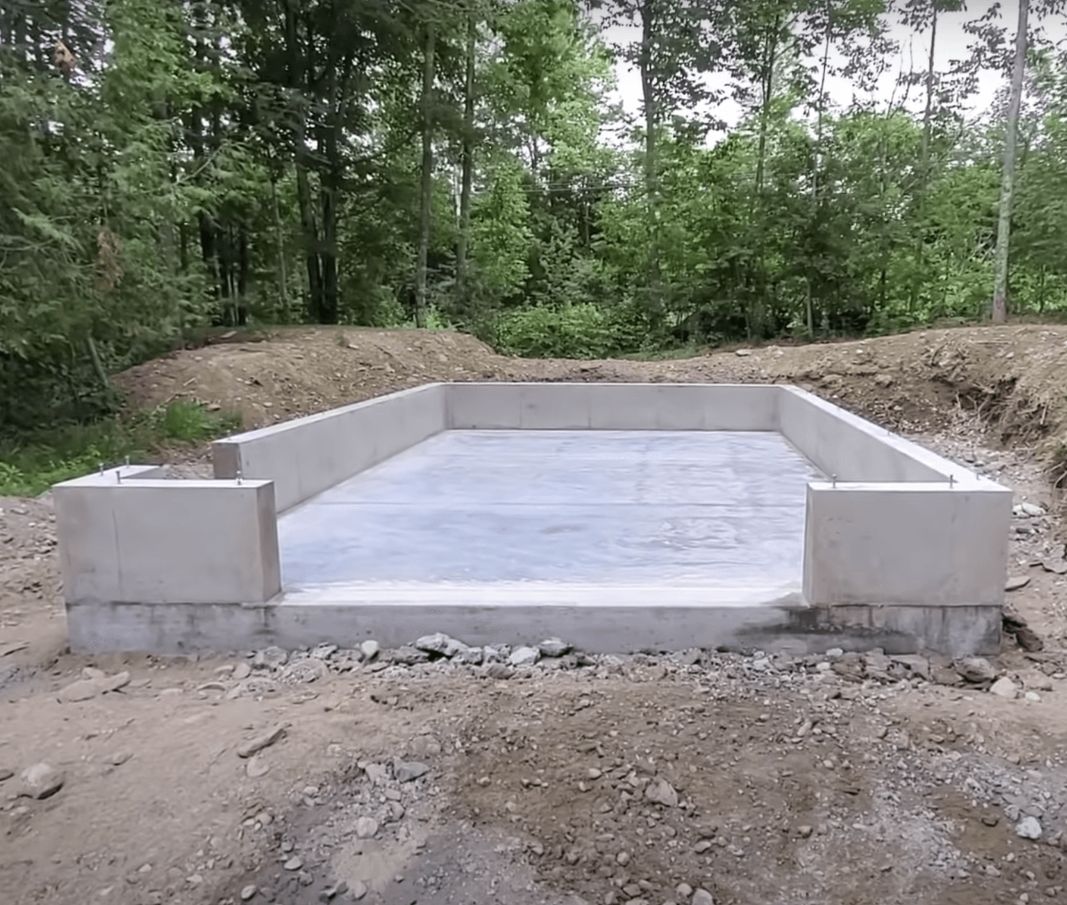
how long before you can drive on fresh concrete


A concrete driveway costing $6 per square ft is the average. You can get texturing and staining upgrades that will increase the cost up to $10 per square feet.

how long before you can drive on fresh concrete
decorative concrete livermore

decorative concrete livermore


Concrete's ability to take many forms and designs is one of its best attributes. Concrete contractors have many responsibilities, including the job of formwork. Formwork has seen many innovations in recent years. Prefabrication is one example. It makes formwork more efficient, cheaper, and reduces waste. For clients to have the desired shapes and designs, they use formwork to make the molds that are needed for concrete placement. The concrete is then kept in place by the formwork while it hardens. The concrete can be used to create the forms and shapes. These shapes and forms can either be made of plastic, metal or wood depending on the purpose.
Placing is another part of the job for a concrete contractor. Concrete is placed into forms using rakes or shovels.
After concrete has been poured, it's consolidated and compacted for the final step. This ensures that there are no air pockets. A broom finish is where a special broom pulls over the concrete to give it a rough texture. Finishing can also include adding decorative elements to concrete, such as dye or design.
Concrete is best used in phases. Every step of the project, or phase, is important. Each step has an impact on the entire process. To ensure that the output is in line with the client's expectations and preferences, it is important to track every stage of the project. The contractor can monitor the progress of the project using project management software. This software can also be used to send and access other data, including pictures, from any location. This software can ensure that the construction crew follows the project schedule. This will prevent costly mistakes in the future.
A bachelor's degree or equivalent in civil engineering is required to be a concrete contractor. A concrete license is also required.
Experience is another important factor in becoming a concrete contractor. While one can learn many theories about concrete construction, it is not enough to have sufficient experience in the actual job. Experience the work in the field, as well as the other aspects of it. To achieve this, one can train.
It is essential to have the right equipment when you work as a concrete contractor, particularly in the commercial sector. You will need to use heavy-duty mixers as well as other tools necessary for the job. Depending on the circumstances, you can either rent or buy the equipment.

square concrete driveway


For a concrete company to be successful, you'll need to have a lot more equipment and materials. It includes equipment to haul your equipment around on each job and office supplies, such as a computer. Although you can buy smaller quantities of concrete bags for small jobs, it is possible to save money by buying larger amounts. You may also want to invest in a mixer.
Although it's important to master the foundations of starting a company, it is equally important to start exploring ways to improve your business. Logistics is an area that many people struggle with. It can be challenging to keep track all the jobs and deliverables of a busy business, especially given the distance between the jobsite and the main office. Particularly in cases such as commercial construction or public works, it can prove even more difficult. There are typically more parties involved in the end result, and the jobs are often larger than residential work.
Concrete contractors construct structures and surface using concrete. Because concrete is so popular in modern construction, there's a high demand for concrete subcontractors. Continue reading to find out what concrete contractors do, what their average salaries are, and how they will be changing over the next few years.
Concrete subcontractors assist in every stage of this process and ensure the installation conforms to project specifications. These specialists work as subcontractors under general contractors. Their work is fundamental (often quite literally) at many job sites.

concrete cost driveway


There may be courses that are specifically tailored for contractors, such as concrete design and project management. Math, accounting, business are all subjects you should consider. These business skills are necessary to manage the financial side your company. This includes managing cash flow and submitting smart bids. Courses that address the laws of government contracting might be beneficial for those who plan to work in this field.
Learning in the field is another option to a bachelor's. You can start as a laborer and work your way up, but formal apprenticeships are available that could be worthwhile. These can be connected through unions or technical schools, and you can specialize in concrete. A three-year apprenticeship can be completed in less time than college. It includes both classroom and practical training.
In any case, getting a contractor license in your state is the next step to becoming a concrete contractor. A prospective contractor must be at least 18 and have between two and four years experience. Financial statements will be required to prove the financial viability of your company. Additional requirements vary from one state to the next, including a written exam, criminal screening, and a posted bond. Remember that licenses must be renewed each year.
Now that we have the necessary qualifications, we can now cover the steps required to get a concrete contracting company off the ground.
Your business plan will outline the structure of your company and what jobs you are going do. Do you plan to concentrate on mixed concrete, or other types of installations? Do you plan to go residential, commercial, or industrial? Which region will you be serving? This is particularly important for smaller businesses to ensure that you don’t reach too far too soon.
Also, you need to determine your pricing structure. Are you charging fixed rates per job or hourly? Also, you should know how much profit you require each year to keep your business afloat so that you can determine the minimum number of jobs you will need.

Frequently Asked Questions

One of the most common mistakes that contractors make on patios is not properly choosing the right type of roofing. While metal roofs may be popular due to their durability and resistance to weather, they can also be expensive and difficult to install. Non-metallic roofs are a better option for patios because they don't need regular maintenance or repair, but they do require special care in order to avoid water damage.

If you're looking for an attractive yet affordable patio roofing solution, then PVC (polyvinyl chloride) may be a good choice. This material is resistant to rot, mildew, mold, and UV radiation so it should last longer than other options without requiring extensive repairs or replacement. Plus, PVC roofs are relatively easy to install since there is no need for framing or supports.

Finally, keep in mind that your patio will look its best if it's designed with proper proportions and perspective in mind from both inside and outside the home. When selecting materials and colors as well as designing layout plans., use sunlight language concepts like "warmth" "lightness," "depth," etc., when describing how each element contributes visually towards your overall vision..

When it comes to concrete patios, there are a few things that you need to take into account. First and foremost, make sure that the patio surface is clean and free of any debris or oils. Next, check for cracks or moisture in the concrete prior to beginning your installation. Finally, use waterproof sealant when installing your tiles or pavers so that water doesn't seep through and damage your surface over time.

Concrete patios are a great way to add value and style to your home, but you need to take care when choosing the right design and materials. One of the most important factors to consider is how weatherproof your patio will be. You also want to make sure that the concrete is properly sealed and protected from moisture, insects, and rodents.


There are a few disadvantages to using a driveway made from concrete. The biggest disadvantage is that this type of driveway can be difficult to maintain and may require more frequent maintenance than other types of driveways. Concrete also tends to be less flexible than other materials, which makes it harder for cars and trucks to navigate around it. Additionally, concrete is not as durable as other materials, so it may need replacing sooner if it's subjected to heavy use or weather conditions that damage the surface.

While there are many benefits to using concrete in driveway construction, it may not be the best option if you're looking for a durable surface. Concrete is a relatively new material that was first developed in the 1920s and has since become one of the most popular driveway materials. However, this type of pavement suffers from several disadvantages when compared to other alternatives such as asphalt or gravel driveways.

For starters, concrete tends to wear much more quickly than other materials due to its porous nature. This means that water can accumulate inside the structure, causing structural failures and potential flooding occur during heavy rainfalls or snowstorms. Additionally, repairs will usually require significantly more resources than with other types of driveways because concrete is difficult to work with and requires special tools and techniques.